

How Much Does a Dumpster Cost to Buy in 2026
Buying a dumpster is a significant decision for homeowners, contractors, and businesses that frequently handle trash. When you buy a dumpster instead of renting it, you can use the dumpster anytime and follow your own schedule. The price of a dumpster depends on its size, type, material, and your location.
This guide explains what changes the price of a dumpster, the usual cost range, and how to pick the right one for your needs. It also explains the difference between buying a new or used dumpster and when owning one can save money compared to renting. This information helps you plan your budget and avoid surprise costs in 2026.
Table of Contents
What to Look For When Buying a Dumpster?
Type of Dumpster
There are three main types of dumpsters: roll-off, front-load, and rear-load.
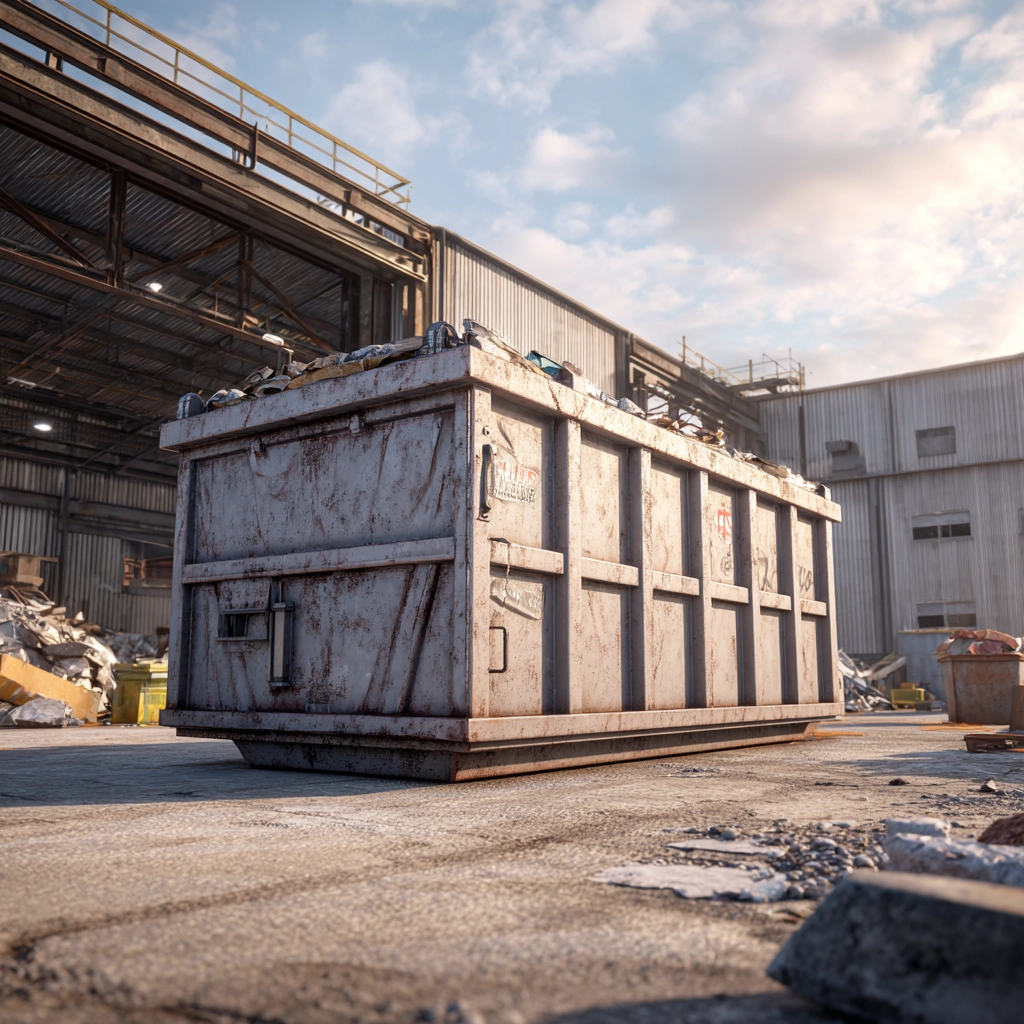
Roll-off dumpsters have open tops and arrive on a truck that slides them onto the ground. They are large and are often used for construction jobs and big cleanups. These dumpsters usually range from 10 to 40 cubic yards.
Front-load dumpsters are smaller and are often used by restaurants, stores, and apartment buildings. Garbage trucks lift them from the front to empty them.
Rear load dumpsters are also used by businesses. They have doors at the back and are emptied from behind.
Size of The Dumpster
The size of the dumpster plays a big role in cost. Dumpster sizes are measured in cubic yards. A 10-yard dumpster holds less waste than a 40-yard dumpster. Choosing the right size helps you save money.
If the dumpster is too large, you may pay more than needed. If it is too small, you may need extra trips or another dumpster. Common sizes include 10, 15, 20, 30, and 40 yards.
Small home cleanups often need 10 to 15 yards. Remodeling projects usually need 20 to 30 yards. Large construction jobs often use 30 to 40 yards. If you are unsure, online dumpster size calculators can help you estimate the right size based on your project.
Type of Waste
The kind of waste you plan to throw away matters a lot. Some dumpsters are made for regular trash and construction debris only. Heavy or unsafe materials like concrete, dirt, chemicals, or hazardous waste may need a special dumpster and can cost more.
Some items are not allowed in dumpsters at all, such as batteries, tires, or asbestos. Heavy waste is often charged by weight, not just size, and may need a stronger dumpster.
Average Dumpster Purchase Cost in 2026
Typical Price Range by Dumpster Size
Dumpster prices have slowly increased over the years because of inflation and higher material costs. Even so, the general price ranges are still easy to understand.
Smaller roll-off dumpsters, such as 10 to 15 yard sizes, usually cost between $3,000 and $5,000 when bought new. A 10-yard dumpster often costs around $3,000 to $4,500, while a 15-yard dumpster is usually closer to $3,500 to $5,000.
Medium-sized dumpsters, like 20 to 30 yard options, are more expensive because they hold more waste. These dumpsters often cost between $4,000 and $7,500, depending on the size and extra features.
Large dumpsters, such as 30 to 40 yard models, cost the most. A new 40-yard dumpster can cost about $6,500 to $10,000 or more. Used dumpsters usually cost less than new ones, but the price depends on their condition.
Dumpster Cost by Size
Small Dumpsters for Home and Light Use
Small dumpsters, usually 10 to 15 cubic yards, are common for home projects. People often use them for garage cleanouts, small renovations, or yard waste. These dumpsters can hold about 3 to 5 pickup truck loads of trash. Since they are smaller and use less metal, they cost less than bigger dumpsters.
In 2026, a new 10-yard dumpster usually costs between $3,000 and $4,500. A 15-yard dumpster often costs around $3,500 to $5,000. Used small dumpsters can be much cheaper, sometimes under $2,000, depending on their condition.

Medium Dumpsters for Construction and Businesses
Medium dumpsters, usually 20 to 30 cubic yards, work well for bigger projects. These include home remodeling, roofing jobs, or small construction sites. They can hold a large amount of waste, such as debris from a full house cleanout.
Because they are larger and stronger, they cost more than small dumpsters. A new 20-yard dumpster often costs $4,000 to $6,000, while a 30-yard dumpster usually costs $5,000 to $7,500. These dumpsters are strong and built to last. Contractors and business owners often choose this size because they use it often. If you need a dumpster many times, owning one may cost less over time than renting.

Large Dumpsters for Industrial Use
Large dumpsters, usually 30 to 40 cubic yards or more, are made for heavy work. They are used for demolition jobs, large building cleanouts, or commercial construction projects. These dumpsters are very strong and use more metal, which makes them the most expensive option.
A new 40-yard dumpster usually costs $6,500 to $10,000 or more, depending on build quality and added features. Some large dumpsters come with covers, reinforced sides, or heavier steel, which increases the price. Big companies and contractors often buy these dumpsters because they handle large volumes of waste regularly.
If you only need a large dumpster once in a while, renting is usually the more affordable option. For businesses that produce a lot of trash every week, buying a 40-yard dumpster can save money over time. If you are unsure whether a 40-yard dumpster is the right size for your project, you can use our dumpster size calculator to help you choose the right dumpster size before you decide to rent or buy.
New Dumpster vs Used Dumpster Cost
Cost Benefits of Buying a Used Dumpster
A used dumpster costs much less than a new one. In many cases, used dumpsters are 30 to 50 percent cheaper. For example, if a new 20-yard dumpster costs $5,000, a used one may cost $2,500 to $3,500. Used dumpsters are often ready to buy right away and may already have paint or basic features.
The main benefit is the lower price. The downside is wear and tear. Used dumpsters may have rust, dents, or worn parts and usually do not come with a warranty. Some sellers repair and repaint used dumpsters before selling them.
Is Buying a New Dumpster Worth It?
New dumpsters cost more upfront, but they offer long-term benefits. They usually come with a warranty and clear paperwork. You can also customize the size, steel thickness, and color. New dumpsters are built with stronger materials, which helps them last longer and need fewer repairs.
For businesses that use dumpsters often, a new dumpster can be a smart investment. The higher quality can reduce maintenance costs over time and improve resale value. If you need reliability, long life, or custom branding, buying new is often worth the extra cost.
Factors That Affect Dumpster Buying Price
Dumpster Material and Steel Thickness
The material of a dumpster greatly affects its price.
Steel is the most common option. Thicker steel is stronger and lasts longer, but it costs more because it uses more metal. Steel dumpsters can last 10 to 15 years with proper care, which makes them a good long-term choice.
Aluminum dumpsters cost less and are lighter, but they dent more easily and work best for lighter waste.
Plastic dumpsters are usually the cheapest and do not rust, but they can crack and are not made for heavy loads.
Dumpster Type and Design
The design of a dumpster also changes the price. Roll-off dumpsters cost more because they need special rails or hooks for trucks. Front-load and rear-load dumpsters are simpler and usually cheaper. Dumpsters with compactors cost more because they include moving and hydraulic parts.
Extra design features like reinforced walls, special doors, or custom shapes also raise the price. A simple basic dumpster costs less than one with added features.
Custom Features and Add-ons
Extra features can quickly increase the cost of a dumpster. Common add-ons include reinforced walls, tarp covers, side doors, special paint, or corrosion protection. Each upgrade can add hundreds or even thousands of dollars to the price.
If you add many custom features, the total cost can rise fast. Before buying, decide which features you truly need and which you can skip.
Dumpster Cost by Dumpster Type
Roll-Off Dumpster Purchase Cost
Roll-off dumpsters are large, open-top containers used for construction, renovations, and big cleanups. They usually range from 10 to over 40 cubic yards and cost more because they are built for heavy waste.
A new roll-off dumpster typically costs $3,000 to $10,000 or more, depending on size. Smaller 10 to 15 yard dumpsters are usually $3,000 to $5,000, while large 30 to 40 yard dumpsters can reach $6,500 to $10,000. Used roll-off dumpsters are cheaper and often start around $1,500. Extra features, delivery, and permits can add to the total cost.
Front-Load Dumpster Purchase Cost
Front-load dumpsters are smaller and commonly used by restaurants, stores, and apartments. They usually range from 2 to 8 cubic yards and cost less than roll-off dumpsters.
New front-load dumpsters often cost $1,000 to $3,000, depending on size and material. Plastic models are cheaper than steel ones, and used dumpsters can cost a few hundred dollars less. They work well for regular trash pickup, but fill up faster than larger dumpsters.
Rear-Load Dumpster Purchase Cost
Rear-load dumpsters are similar to front-load dumpsters but open from the back. They are also used for regular business trash and usually range from 2 to 8 cubic yards.
Prices are close to front-load dumpsters, with new units costing about $1,000 to $1,900. Used rear-load dumpsters often cost much less. They are a good option for tight spaces, but you should confirm that your waste hauler supports this type.
Delivery, Shipping, and Setup Costs
Delivery and Freight Charges
When you buy a dumpster, delivery usually costs extra. Most sellers charge a delivery fee based on how far they travel, how heavy the dumpster is, and its size. Local delivery often costs around $500 to $1,000. Longer trips or special deliveries can cost $1,500 or more. Bigger dumpsters cost more to ship because they weigh more.
Placement and Site Preparation Costs
You may need to get the area ready before the dumpster arrives. If the ground is uneven, you might need gravel or plywood so the dumpster sits safely. Plywood can also protect your driveway from damage. You may need to move cars or trim tree branches to make space.
If the dumpster is placed on the street, you may need a permit. Permit costs usually range from $25 to $250. Some delivery drivers also charge extra if the area is hard to reach.
Benefits of Buying a Dumpster Over Renting
Cost Savings
Buying a dumpster can save money if you use it often. You pay one time instead of paying rental fees again and again. Over time, owning a dumpster usually costs less than renting.
Convenience
When you own a dumpster, you do not have to wait for a rental company. You can use it whenever you want and take your time filling it. There are no deadlines or extra rental charges.
Flexibility
Owning a dumpster gives you full control. You choose when to use it and when to empty it. This works well for long projects where trash builds up slowly.
Environmental Benefits
Having your own dumpster helps you manage waste better. You can separate items for recycling and make fewer trips to landfills. This helps reduce waste and protect the environment.
You Can Start Your Dumpster Rental Business
If you are not using your dumpster, you can rent it to others. This can help earn back some of the money you spent. You may need permits, but owning a dumpster makes this possible.
Long-Term Cost Comparison
If you need a dumpster often, buying one is usually the better option. Renting works well for one-time jobs, but owning makes more sense for regular use.
Dumpster Cost Comparison Table
| Dumpster Size | Typical Use Case | Estimated Purchase Cost (2026) |
|---|---|---|
| 10-yard | Small home projects (cleanouts, decks) | $3,000–$4,500 |
| 15-yard | Medium remodels (kitchens, garages) | $3,500–$5,000 |
| 20-yard | Major renovations, moderate construction | $4,000–$6,000 |
| 30-yard | Large construction sites, commercial jobs | $5,000–$7,500 |
| 40-yard | Industrial demolition, large clear-outs | $6,500–$10,000 |
Final Thoughts
Buying a dumpster costs more at the start, but it can be a good choice if you need it often or for big projects. Before buying, think about the size, type, and material you really need. You should also plan for extra costs like delivery, setup, and permits.
New dumpsters cost more, but they usually last longer and may come with a warranty. Used dumpsters cost less, but they may need repairs sooner. For contractors, businesses, or homeowners who deal with trash often, buying a dumpster can save time, avoid rental problems, and cost less over time. The best choice is the one that fits your needs and your budget.
FAQs
How long does a dumpster last after buying?
A well-built steel dumpster can last 10 to 15 years or more if you use it properly and maintain it. Regular cleaning, rust prevention, and avoiding overloading can extend its life even further.
Can I use a dumpster for multiple job sites?
Yes. You can move and use the same dumpster at multiple job sites as long as you have a truck or hauling service to transport it. Always check local rules at each site, especially if the dumpster will sit on public property.
Do I need a permit to own a dumpster?
You usually do not need a permit just to own a dumpster. However, you may need a permit if you place it on a public street, sidewalk, or other public area. Permit rules vary by city, so it is best to check local regulations.
What size dumpster should I buy?
The right size depends on how much waste you handle and the type of projects you do. Small home projects often need a 10 to 15-yard dumpster. Remodeling and construction jobs usually need 20 to 30 yards. Large commercial or demolition work often requires a 40-yard dumpster.