Professional Calculators

Engineering Calculators

What are engineering calculators?

Engineering calculators are online tools that help you solve math and science problems used in engineering. They use trusted formulas to give accurate answers. These tools make hard calculations easier and faster.

Instead of doing long math problems by hand, you type the numbers you know into the calculator. The calculator then works out the answer for you. This saves time and helps reduce mistakes.

Who can use engineering calculators?

Engineering calculators are useful for many people. 

  • Engineers can use them to quickly check their work and solve daily problems. Students can use them to learn formulas and practice solving questions.
  • Contractors and technicians can use these calculators on job sites to estimate sizes, weights, and limits. 
  • Teachers use them to explain engineering ideas in a clear way. 
  • Even people who are not engineers can use them for projects that involve measurements, building, or energy planning.

If you work with numbers, measurements, or basic technical problems, we have the best engineering calculators to help you work more easily and with better accuracy.

General Engineering Calculators

House Insulation Calculator

House Insulation Calculator

Get accurate insulation recommendations based on your county and project type. Instantly calculate R-value and material needs for walls, attics, basements, and more.

Window to Wall Ratio Calculator

Window to Wall Ratio Calculator

Quickly calculate your building's window-to-wall ratio using any two known values. Works with total area or glazing percentage, with full unit support.

Pressure Drop Calculator

Pressure Drop Calculator

Quickly calculate pressure loss in a pipe system based on flow rate, pipe size, length, material, and fittings. Ideal for pump sizing and piping design.
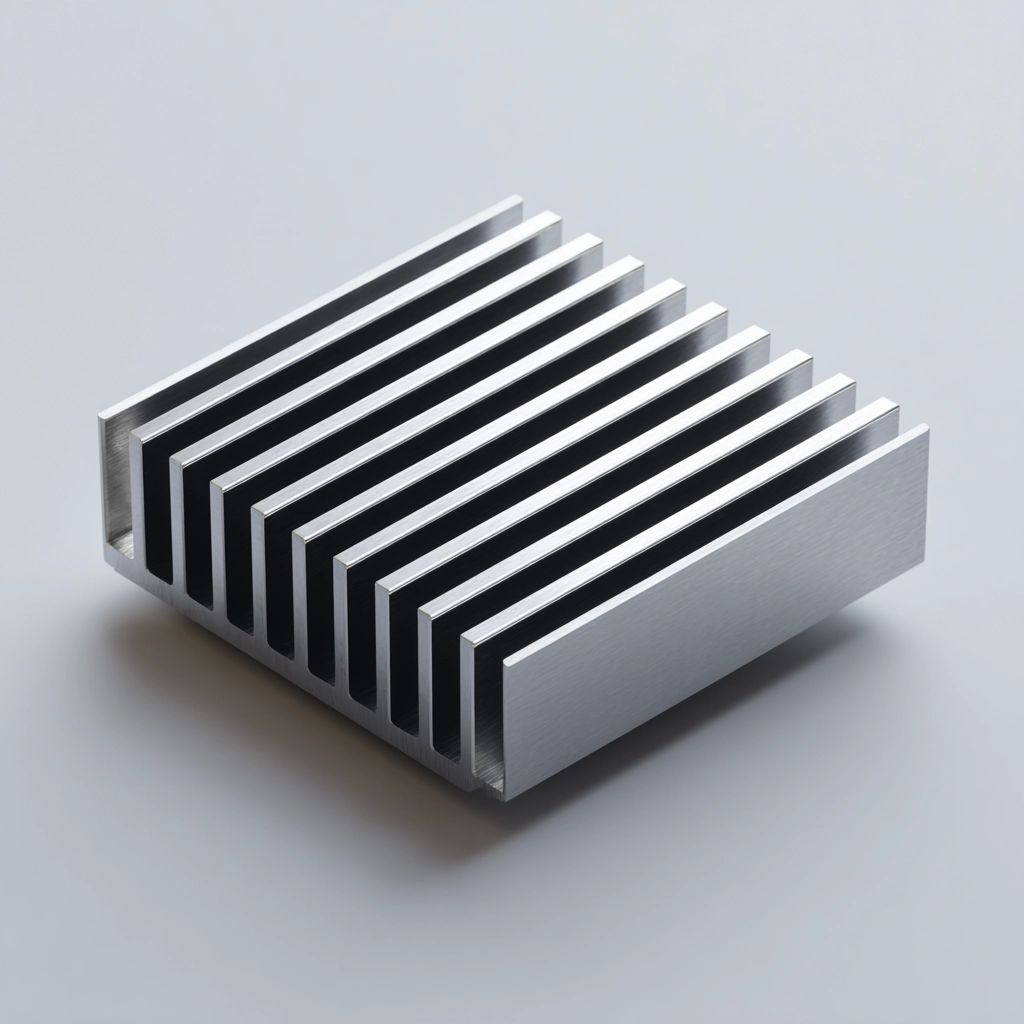
Heat Sink Calculator

Heat Sink Calculator

Easily estimate heat sink temperature rise and airflow resistance based on your specs. Designed for engineers who need fast, reliable thermal insights.

Pipe Velocity Calculator

Pipe Velocity Calculator

Calculate flow rate, pipe diameter, or fluid velocity by entering any two values. A simple tool that applies standard pipe-flow formulas with clean unit handling.

Torque To Rpm Calculator

Torque To Rpm Calculator

Solve torque, RPM, or power instantly by entering any two values. A simple engineering calculator for motor sizing, gearbox checks, and design decisions.

ZFS Calculator

ZFS Calculator

Calculate usable ZFS storage capacity with real slop values, fault tolerance, and RAID layout support. Perfect for sysadmins planning resilient storage pools.

RPM to FPM Calculator

RPM to FPM Calculator

Convert RPM to FPM instantly with formulas, charts, and surface speed examples for machining, conveyors, rollers, grinding wheels, and CNC tools.

CNC milling machine cutting metal using the correct spindle speed calculated with an SFM to RPM calculator

SFM To RPM Calculator

Calculate spindle RPM from surface speed (SFM) or convert RPM to SFM instantly. Supports CNC machining, milling, drilling, lathes, mixed units, and material presets.

Types of Engineering Calculators

Engineering calculators are designed for different branches of engineering. Each type focuses on specific calculations that support planning, safety, and system performance. Here are some common types of engineering calculators.

Calculator Type

What It Calculates

Civil engineering calculators

Concrete quantity, beam strength, column load, soil safety

Mechanical engineering calculators

Force, motion, energy, heat, power, torque

Electrical engineering calculators

Voltage, current, resistance, power, wire sizing

Chemical engineering calculators

Flow rate, concentration, temperature, process efficiency

Environmental engineering calculators

Water treatment needs, pollution levels, runoff, waste

Industrial engineering calculators

Time, cost, efficiency, scheduling, productivity

Civil engineering calculators

Civil engineering calculators are used for projects like buildings, roads, bridges, and land work. They help you figure out how much concrete you need, how strong a beam should be, how much weight a column can support, and whether the soil is safe to build on.

Engineers use these calculators to plan strong and safe structures. They also help estimate materials and plan projects before construction starts.

Mechanical engineering calculators

Mechanical engineering calculators focus on machines and parts that move. They help calculate things like force, motion, energy, heat, and power. Many people use them to check torque, gear ratios, stress, and temperature changes.

These calculators help engineers make sure machines and systems work properly and safely before they are built or used.

Electrical engineering calculators

Electrical engineering calculators help with basic electricity math. They are used to calculate voltage, current, resistance, and power. They also help with circuit design, wire size, and energy use.

Students, electricians, and engineers use these tools to design safe electrical systems and prevent problems like overloads. The answers are clear and easy to understand.

Chemical engineering calculators

Chemical engineering calculators help with mixing materials and managing chemical processes. They are used to calculate flow rate, concentration, temperature changes, and efficiency.

Environmental engineering calculators

Environmental engineering calculators focus on protecting people and the environment. They help calculate things like water treatment needs, air pollution levels, waste amounts, and rain runoff.

Industrial engineering calculators

Industrial engineering calculators help improve how work gets done. They focus on time, cost, efficiency, and planning. These tools help with scheduling, inventory control, and process improvement.

Industrial engineers use them to save time, reduce waste, and improve productivity. Clear results help teams make better decisions in factories and service businesses.

How to Use Engineering Calculators

Engineering calculators are simple to use once you know what information to enter. When you follow the steps carefully, these tools can save time and help you get accurate answers.

Entering correct values

Before using a calculator, gather all the numbers you need. Pay close attention to the units the calculator asks for, such as feet, meters, pounds, or kilograms.

Take a few seconds to double-check your measurements before typing them in. Many errors happen because of wrong units or missing numbers.

Understanding the results

After you enter your values, the calculator gives you results based on real-world conditions. These results help you understand things like size, limits, or how much material you may need.

Always review the answers and think about whether they make sense. Compare them with what you expected. Use the results as helpful guidance, not as a final answer. Your judgment is still important, especially when safety or cost is involved.

FAQs

Can students use these calculators?

Yes. Students can use engineering calculators to practice problems, understand formulas, and check their calculations while learning engineering concepts.

Are these calculators free to use?

Yes. All engineering calculators are free to use without registration or payment.

Do these calculators follow engineering standards?

Yes. The calculators use commonly accepted engineering formulas and calculation methods used across academic and professional settings.

Can these calculators be used for real projects?

Yes. These calculators support real project planning, estimation, and validation. However, final decisions should always include professional judgment and local requirements.

Are results acceptable for exams or reports?

Yes. The results can be used for assignments and reports. For exams, students should follow their institution’s rules on calculator usage and citation.