
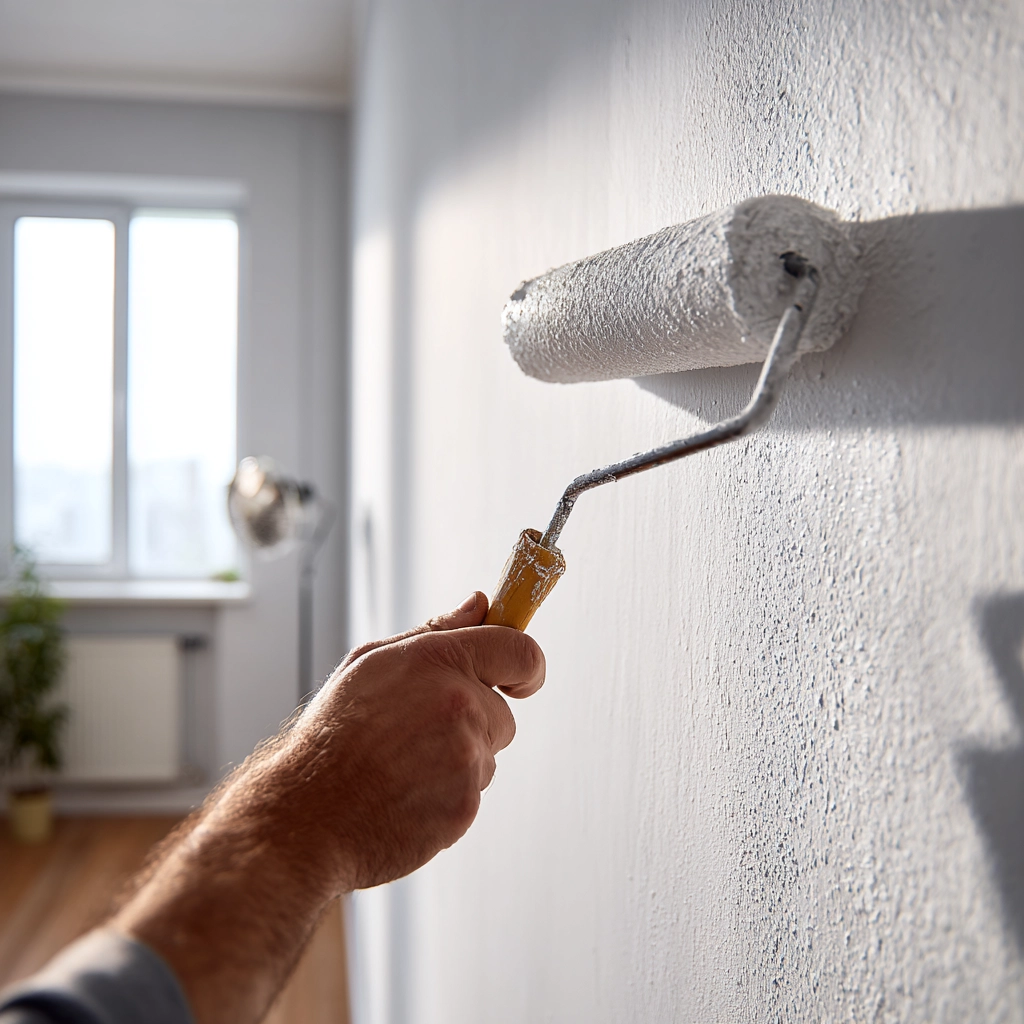
Painting a room or furniture can feel exciting at first. You choose a color, start painting, and see the space change. But then you have to wait. Wet paint can take many hours to dry. Sometimes it can even take a full day before you can add another coat.
Drying time is important. If paint stays wet for too long, dust can stick to it. Wet paint can also drip or leave marks. Slow drying can delay your whole project. You might not be able to move furniture back or use the room right away.
When you understand how paint dries, you can help it dry faster. Simple changes in air, temperature, and how you apply the paint can make a big difference. In this article, you will learn why drying time matters and five easy ways to help paint dry faster.
Key Takeaways
- Airflow and ventilation: Moving air helps paint dry faster. Open windows and use fans to push fresh air into the room and move wet air out.
- Temperature and humidity: Warm and dry air helps paint dry quickly. Cold air or very humid air makes paint dry much more slowly.
- Thin coats instead of thick coats: Apply light and even layers of paint. Thick coats take much longer to dry and can look uneven.
- Right type of paint and finish: Water-based paint usually dries faster than oil-based paint. Flat and matte finishes often dry faster than shiny ones.
- Special primers or drying products: Quick-dry primers and special drying products for oil paint can help reduce waiting time.
Why does paint drying time matter more than most people expect?
Drying time affects both the quality of your paint job and your schedule. If you add another coat too soon, the paint can streak, bubble, or peel. Waiting the right amount of time helps you avoid these problems and keeps the finish smooth.
Slow drying can also delay your project. Wet or tacky paint can get marked by tape, ladders, or furniture. Even if paint feels dry to the touch, it may still need more time to fully harden. When you understand drying time, you can plan better, avoid mistakes, and complete your work on time.

Want to know exactly how long your paint will take to dry?
Use our Paint Drying Time Calculator to estimate drying time based on temperature, humidity, and paint type so that you can plan your project without delays.
What actually controls how fast paint dries?
How does evaporation affect drying?
Paint dries mainly because of evaporation. The liquid part of the paint rises into the air after you apply it. Warm and dry air helps this happen faster, while cold or humid air slows it down. Good airflow also helps carry moisture away.
Water-based paints dry as water evaporates, and the paint forms a solid layer. Oil-based paints also dry by evaporation, but they need extra time to react with oxygen and fully harden. Because of this, oil paint usually takes longer to dry.
How do surface type and thickness change drying speed?
The surface and the thickness of the paint both matter. Porous surfaces like raw wood or drywall can absorb some liquid, which may cause uneven drying. Using primer helps create a smooth base so the paint dries evenly.
Non-porous surfaces like metal or glossy walls do not absorb liquid. In this case, drying depends fully on air and coat thickness.
Thick coats take longer to dry because they hold more liquid. Thin coats dry faster and look more even. Applying two thin coats is usually better than one heavy coat.
How does the environment affect paint drying?
Temperature, humidity, and airflow are the most important environmental factors. A warm room between 60 and 80 °F helps paint dry well. Very cold air slows drying, while extreme heat can cause surface problems.
High humidity slows drying because the air already contains moisture. Painting on dry days or using a dehumidifier can help.
Airflow speeds up drying by moving moisture away from the surface. Open windows or use a fan to keep air moving. A warm, dry, and well-ventilated space helps paint dry faster and more evenly.
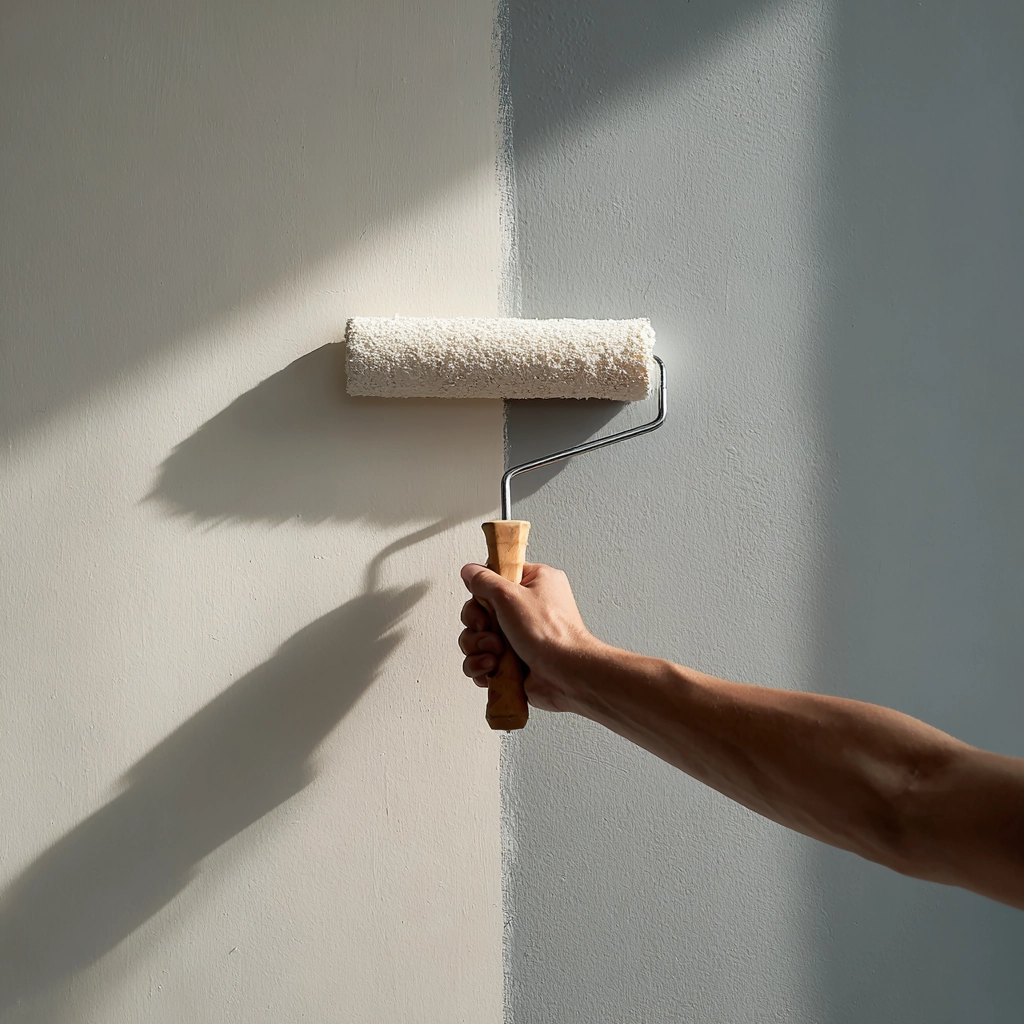
5 Ways to Dry the Paint Quickly
1. Choose the appropriate paint finish
Flat and matte paints dry faster than shiny paints. Shiny paint takes more time to dry. If you want the paint to dry quickly, choose flat or satin paint when you can.
2. Pay attention to temperature and humidity
Paint dries best in a warm room. Try to keep the temperature between 65 and 80 degrees Fahrenheit. Cold air makes paint dry slowly. Too much heat can also cause problems. Keep the air dry. If the room feels damp, use a heater, air conditioner, or dehumidifier.
3. Opt for thinner coats over thicker ones
Thick paint takes a long time to dry. Spread the paint in thin, even layers. Let each layer dry before adding the next one. Thin coats dry faster and look smoother.
4. Enhance airflow intelligently
Fresh air helps paint dry faster. Open windows if the weather is good. Use a fan to move air around the room. Do not point strong air directly at the wall. A soft and steady airflow works better.
Helpful tip: Use a fan and a dehumidifier together. The fan moves the air, and the dehumidifier removes extra moisture.
5. Incorporate quick-dry primers and additives
Some paints and primers are made to dry faster. Look for labels that say quick dry. For oil-based paint, special drying products can help it harden faster. These products can save you time.
How can choosing the right paint type save hours of drying time?
Which paint types dry faster?
Different paint formulations have inherently different dry times. Here’s a comparison of common types:
| Paint Type | Typical Dry Time (to touch) | Best Use Cases |
|---|---|---|
| Latex/Water-Based | ~1 hour (recoat ~4 hours) | Interior walls and ceilings; general décor |
| Acrylic Latex | ~1 hour (recoat ~4 hours) | Exterior siding and trim; sheds, decks |
| Oil-Based Alkyd | 6-8 hours (recoat 24+ hours) | Trim, doors, cabinetry; metal surfaces |
| Fast-Dry Enamel (spray) | 30-60 minutes (recoat ~1 hour) | Metal, plastic, craft projects, quick fixes |
| Chalk/Milk Paint | 30-60 minutes (often 2nd coat in 2–3 hours) | Furniture, crafts, rustic décor |
| Epoxy or 2K Coatings | 6-8 hours (long cure) | Industrial floors, pool coatings, marine |
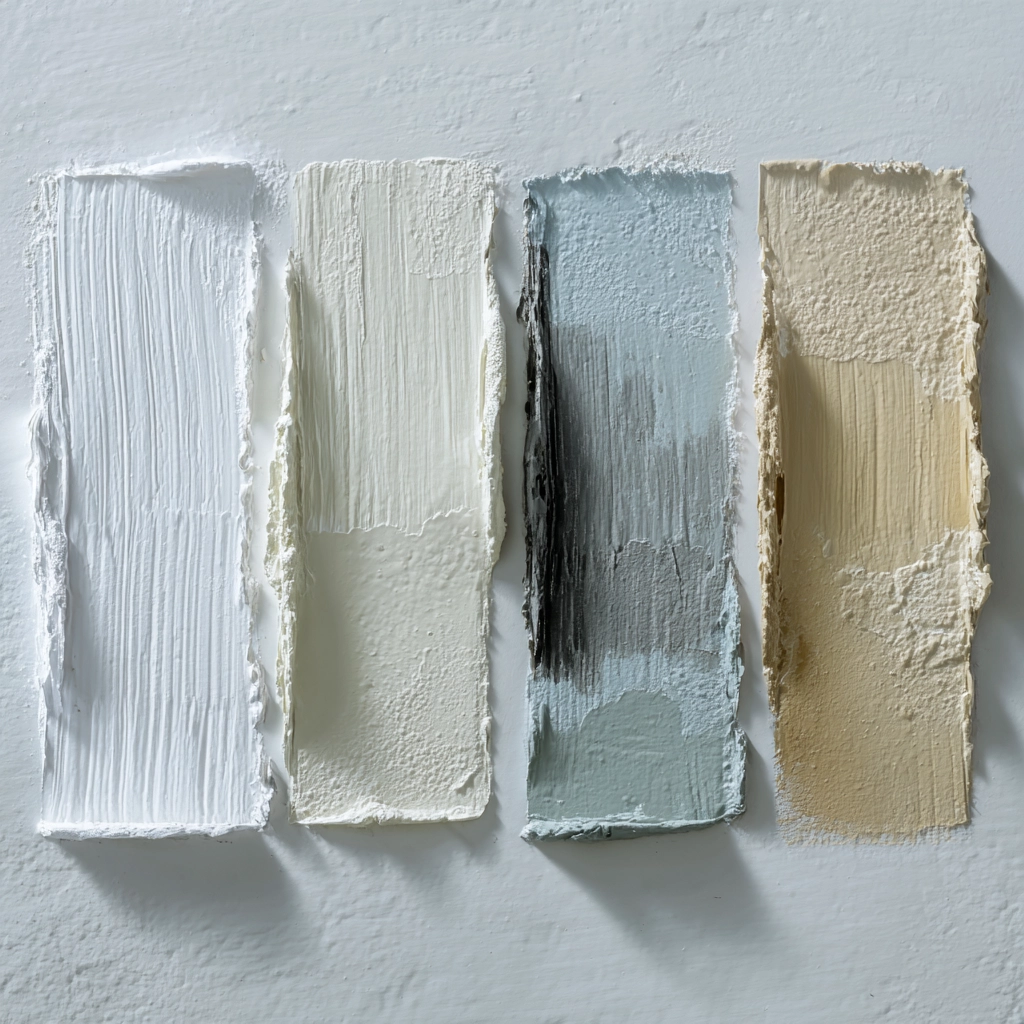
Why does paint finish affect drying speed?
The type of paint finish, also called sheen, changes how fast paint dries. Shiny paints like gloss have more binder inside them. Binder helps paint stay strong and smooth, but it also makes the paint stay sticky for a longer time.
Flat or matte paints have less binder and more liquid that can evaporate into the air. Because of this, they usually dry faster. In simple words, the less shiny the paint is, the faster it dries.
For example, flat latex paint may feel dry in about an hour. High gloss paint can take longer because it creates a thicker layer on the wall. This thicker layer holds moisture inside, so it needs more time to dry.
If you want paint to dry quickly, choose a flat or low sheen finish. But remember, shiny paints are often stronger and easier to clean. Always choose the finish that works best for your project, even if it needs a little more drying time.
Can temperature and humidity make or break your paint drying time?
What is the best temperature for faster drying?
Most paints dry best between 60-80 °F (16-27 °C). In this range, paint dries evenly without problems. Below 50 °F, paint dries very slowly and may not stick well. Above 85-90 °F, the surface can dry too fast and trap moisture underneath. This can cause peeling, cracking, or bubbles.
| Temperature | Drying Impact |
| Below 50 °F | Too cold, dries very slowly |
| 60-80 °F | Best range for smooth drying |
| 80-90 °F | Dries fast, watch surface |
| Above 90 °F | Too hot, risk of cracks or blisters |
How does humidity slow drying?
High humidity makes paint dry more slowly. When the air is full of moisture, water-based paint cannot easily release its water. As a result, the paint can stay sticky for hours. Indoor humidity should stay below 60% for better results.
Low temperature and high humidity together can cause serious problems. Moisture can even form on the wet paint and damage the finish.
To fix this, paint on dry days, use a dehumidifier, or run air conditioning. Drier air helps paint dry faster and more evenly.
Do primers and additives really help paint dry faster?
What are fast-dry primers?
Some primers dry much faster than others. Fast dry primers can be ready for paint in about one hour. Many water-based primers need 1 to 3 hours before you add a topcoat. Choosing a fast-dry primer helps you move to the next step sooner.
A quick-drying primer also seals the surface faster. This helps your topcoat go on in thin layers, which dry more quickly. Always follow the time written on the label before painting over it.
What are drying additives?
Drying additives mostly work with oil-based paints. Products like liquid driers can speed up hardening and cut drying time in half. You only need a small amount. Too much can damage the finish.
Water-based paints usually do not have true drying additives. For latex paint, it is better to improve airflow, warmth, and dryness in the room instead of adding chemicals.
Common Paint Drying Mistakes to Avoid to Save Time
Even if you follow good tips, small mistakes can make the paint take longer to dry. Here are common problems and how to avoid them.
- Painting in bad weather: Do not paint on rainy, very humid, or very cold days. Wet or cold air slows down drying. Try to paint when the weather is dry and mild.
- Skipping cleaning and primer: Painting over a dirty or damp surface traps moisture. Always clean the surface and let it dry fully. Use primer on raw or patched areas so the paint dries more evenly.
- Using thick coats: Thick layers take much longer to dry. Many people think thick paint saves time, but it actually slows everything down. Use thin, even coats instead.
- Poor airflow: A closed room slows drying. Open a window or use a fan to move air around. Fresh air helps moisture leave the paint.
- Adding another coat too soon: Paint may feel dry on top, but still be wet underneath. Follow the drying time written on the label before adding another coat.
- Using too much heat: Very strong heat from a heat gun or lamp can cause bubbles or cracks. Gentle warmth is fine, but avoid extreme heat.
- Not reading the label: Each paint has its own drying time and temperature rules. Always read the instructions on the can before you start.
Final Thoughts
Waiting for paint to dry can feel boring, but knowing the basics makes a big difference. Choose a warm and dry day if possible. Clean the surface, use primer, and apply thin coats. Keep air moving in the room and follow the instructions on the paint can.
When you understand how paint dries, you can save time and avoid problems. Faster drying means you finish sooner and enjoy your fresh paint without long delays.
FAQs
What is the fastest way to dry paint indoors?
Use thin coats, keep the room warm around normal room temperature, lower humidity with a dehumidifier or AC, and run a fan for steady airflow. Warm, dry, moving air speeds up evaporation the most.
Does heat make paint dry faster?
Yes, moderate heat helps paint dry faster because it increases evaporation. Keep the temperature in a comfortable, warm range. Too much heat can cause cracking or bubbling.
Can I use a fan to dry paint faster?
Yes, a fan helps a lot. It moves air across the room and carries away moisture. Do not aim it directly at the wet surface to avoid dust or uneven drying.
How long should the paint dry before the second coat?
Most water-based paints need about 2 to 4 hours before a second coat. Oil-based paints usually need 24 hours. Always check the label for the exact recoat time.
Does paint dry faster in sunlight?
Direct sunlight can speed up surface drying, but it can also dry the top layer too fast and trap moisture underneath. Indirect warm light is safer than strong direct sun.
Why does pool paint take longer to dry?
Pool paint is thicker and designed to resist water and chemicals. It often requires chemical curing, not just evaporation. High humidity around pools also slows down drying.