

Roof Pitch Chart: 2026 Guide to Roof Angles & Slopes
Roof pitch is the steepness of a roof. It may look like a small math detail, but it affects many important parts of a home. Roof pitch controls how water drains off the roof, which roofing materials can be used, how much attic space is available, and how much the roof costs.
Building codes and roofing guidelines also depend on roof pitch. Groups like the International Residential Code and the National Roofing Contractors Association explain the minimum slope needed for different roofs. These rules help prevent leaks and protect the home.
Key Takeaways
- What roof pitch shows: Roof pitch tells how many inches the roof rises for every 12 inches of horizontal distance.
- How roof pitch is written: Roof pitch can be written as a ratio like 4:12 or shown in degrees.
- Why small pitch changes matter: Even a small change in pitch can affect installation rules and which roofing materials can be used.
- Why low slope roofs need extra care: Low slope roofs need better waterproofing and proper drainage to prevent leaks.
- Why pitch must match the home: Roof pitch should match the climate, roof design, and roofing material for best performance.
What Is Roof Pitch and Why Does It Define Your Roof Design?
What Does Roof Pitch Really Mean in Simple Terms?
Roof pitch shows how much the roof goes up compared to how far it goes across. A steeper roof allows water to flow down faster and helps prevent water from staying on the surface. A lower-pitched roof drains water more slowly. This can put more pressure on joints, seams, and drainage areas, so these parts need extra care.
How Roof Pitch Is Written as Ratios Like 4:12 or 6:12?
In the United States, roof pitch is written as rise over run using 12 inches as the standard run. A 4:12 roof means the roof rises 4 inches for every 12 inches of horizontal distance. A 6:12 roof means the roof rises 6 inches for every 12 inches. These numbers help builders understand the roof angle and choose the correct materials.
Why Even Small Pitch Changes Make a Big Difference?
A small change in pitch can change how water moves on the roof. It can also affect which roofing materials are safe to use. Some low-pitch roofs need special underlayment and better sealing to prevent leaks. Roofing professionals often give extra attention to roofs with a lower pitch because they require more careful installation.
Roof Pitch Chart Explained with Real Numbers
Table: Standard Roof Pitch Chart with Degrees and Angles
| Roof Pitch Ratio | Roof Angle Degrees | Roof Type Category | Typical Use |
| 1:12 | 4.8° | very low-slope | low-slope metal or membrane roofs, commercial buildings, modern flat-style homes, garages, and extensions where waterproofing systems are required |
| 2:12 | 9.5° | low-slope | shingles with extra underlayment, low-slope metal roofs, porches, home additions, and residential structures in dry climates |
| 3:12 | 14.0° | low-slope upper limit | shed roofs, dormers, patio covers, small homes, and modern residential designs using metal or shingles |
| 4:12 | 18.4° | moderate-slope | common residential pitch for shingles, standard family homes, suburban houses, and simple roof designs |
| 5:12 | 22.6° | moderate-slope | traditional homes, residential buildings with asphalt shingles, improved water runoff areas, and balanced roof appearance |
| 6:12 | 26.6° | moderate-slope | very common in residential construction, ideal for most climates, suitable for shingles, tile, and metal roofing |
| 7:12 | 30.3° | steep-slope | homes in wet climates, snowy regions, mountain houses, and properties needing faster rain and snow shedding |
| 8:12 | 33.7° | steep-slope | luxury homes, cabins, custom residential designs, and architectural styles needing a steeper visual profile |
| 9:12 | 36.9° | steep-slope | steep residential roofs, cottages, high-end homes, and buildings with complex roof structures |
| 10:12 | 39.8° | very steep-slope | cabins, A-frame style homes, alpine houses, and dramatic residential architectural designs |
| 12:12 | 45.0° | very steep-slope | A-frame homes, alpine cabins, steep residential roofs in heavy snow areas, and traditional steep roof designs |
How Builders Measure Roof Pitch on Real Projects?
Builders measure roof pitch by checking how much the roof rises for every 12 inches across. This is called rise over run. They use a level to keep the line straight and a tape measure to check the height. Measurements can be taken from the roof surface or from inside the attic. Inside the attic, the level is placed against a rafter to measure the rise. This method is often safer because it does not require climbing onto the roof.
Converting Roof Pitch to Degrees Made Easy
Roof pitch can also be shown in degrees. To find the degree, builders use a math method called arctangent. They divide the rise by 12 and then convert it into degrees. This helps show the exact roof angle in a way that is easier to understand and compare.
Table: Roof Pitch to Degree Conversion Table
| Pitch | Degrees |
| 2:12 | 9.5° |
| 3:12 | 14.0° |
| 4:12 | 18.4° |
| 6:12 | 26.6° |
| 8:12 | 33.7° |
| 12:12 | 45.0° |
Why Roof Pitch Directly Affects Roof Drainage and Water Flow?
How Steep Roof Pitch Improves Drainage Speed?
A steeper roof pitch helps water flow down faster because gravity pulls the water more easily. This means water does not stay too long on areas like valleys, roof openings, and edges. Faster drainage helps reduce the risk of leaks and protects the roof from damage.
Why Low-Pitch Roofs Need Larger Drainage Systems?
Low-pitch roofs drain water more slowly, so they need better drainage design. Building guidelines explain that water should drain within about two days after rain when the weather is dry. If water stays on the roof for too long, it can cause ponding. Ponding can weaken the roof and reduce its lifespan.
How Roof Pitch Impacts Gutter Size and Downspouts?
Roof pitch affects how fast water reaches the edge of the roof. However, gutter size mainly depends on the total roof area and how much rain falls in the area. Larger roofs and heavy rainfall need bigger gutters and downspouts to move water safely away from the home.
How Roof Pitch Impacts Roofing Material Selection?
Which Roof Pitch Works Best for Shingles?
Asphalt shingles work best on roofs that have a medium slope, such as 4:12 to 6:12. These slopes allow water to flow down easily and help protect the roof. Most building codes and manufacturers set 2:12 as the lowest allowed pitch for shingles. When shingles are installed on slopes between 2:12 and less than 4:12, extra underlayment is needed to prevent leaks and improve protection.
Which Roof Pitch Is Required for Metal Roofing?
Metal roofing can work on different roof pitches depending on the system. Some standing seam metal roofs can be installed on very low slopes, starting from about 1:12. Other types, like snap lock panels, often need steeper slopes to work properly unless the manufacturer allows installation on lower slopes. Following manufacturer instructions helps prevent water problems and improves roof performance.
Why Flat Roof Materials Differ from Steep Roof Materials?
Low-slope and flat roofs use different materials because water does not drain quickly. These roofs often use special membranes with sealed seams to stop water from entering. Overlapping materials alone are not enough to protect against wind-driven rain. Building guidelines also require proper slope design so water can drain and not stay on the roof for a long time.
Roof Pitch and Weather Conditions in 2026
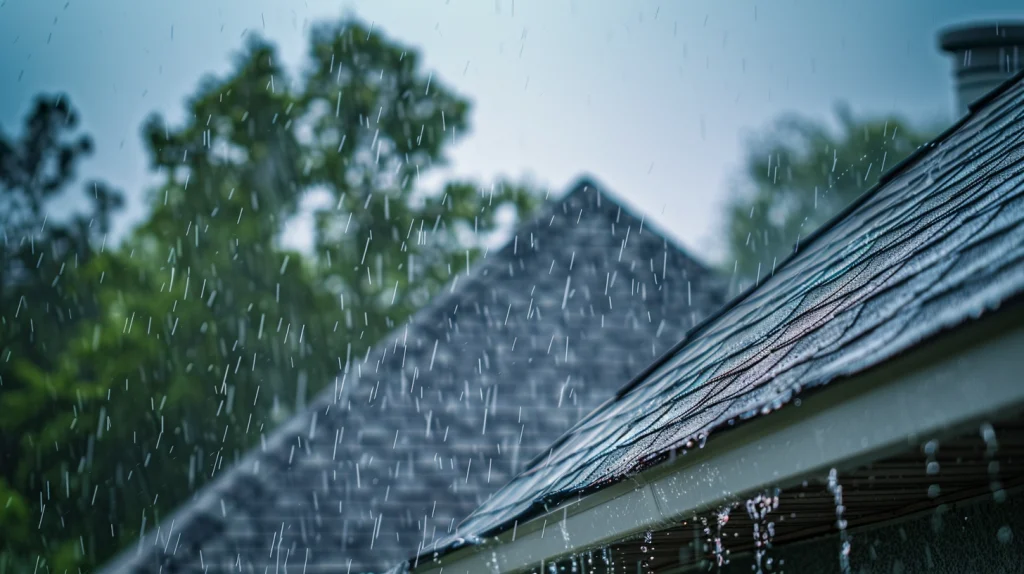
Rainfall has become heavier in many areas, so roof drainage has become more important. A roof needs a proper slope so water can flow off quickly and not stay on the surface. When water stays too long, it can increase the chance of leaks and damage.
Wind also affects roof safety. Strong wind pushes harder on the roof edges and corners. Because of this, these areas need stronger fastening and careful installation. Good edge support helps the roof stay secure during storms.
Snow also affects how a roof performs. Snow adds extra weight, and this weight changes depending on the roof slope. A steeper roof may help snow slide off, but it does not always remove all risk. Roof design must still handle snow load safely to protect the home.
Common Roof Pitch Examples in Residential Buildings
Table: Real House Roof Pitch Examples
| House Type | Common Pitch |
| Modern homes | 3:12 |
| Standard homes | 4:12 to 6:12 |
| Luxury homes | 8:12 |
| Cabins | 10:12 |
| Snow region homes | 12:12 |

How to Choose the Right Roof Pitch for Your Project?
How Roof Design Affects Pitch Selection?
Roof pitch should match the shape and style of the roof. Modern homes often use a lower pitch, such as 2:12 to 3:12, to create a flat and simple look. Traditional homes usually use a medium pitch, such as 4:12 to 6:12, because it supports better drainage and fits classic designs. Roof valleys also need attention. When two roof sides meet, the valley becomes flatter, so a slightly steeper pitch helps water move away and lowers the risk of leaks.
How Budget Affects Roof Pitch Decision?
Steeper roofs usually cost more. This happens because a steeper roof has more surface area, which needs more materials. Installation also takes more time because working on steep roofs is harder and slower. Builders may also need extra safety equipment and support, which increases the total cost.
Why Drainage Planning Must Be Done with Pitch?
Roof pitch and drainage should be planned together. Low-pitch roofs need proper drains, scuppers, or larger gutters to move water safely. These parts must match the roof size and local rainfall. Even steep roofs can have problems if gutters become blocked. Blocked gutters can push water back under the roof edge and cause damage.
FAQs
What is the most common roof pitch for residential homes?
The most common roof pitch for residential homes is 4:12 to 6:12. This range provides good water drainage, works well with asphalt shingles, and keeps construction and maintenance costs reasonable.
How do I calculate roof pitch without climbing on the roof?
You can calculate roof pitch from inside the attic. Place a level horizontally against a rafter and measure 12 inches along the level. Then measure the vertical rise from that point to the rafter. The rise of over 12 inches gives the roof pitch ratio.
What roof pitch is considered too low?
A roof pitch below 2:12 is considered very low. This type of roof drains water slowly and requires special waterproof materials to prevent leaks.
How does roof pitch affect gutter size?
Steeper roofs move water faster, so they often need larger gutters and downspouts to handle the higher flow. Low-pitch roofs drain more slowly, but they may still need wider gutters because water can collect and overflow.
Can roof pitch affect roof lifespan?
Yes. Steeper roof pitches usually last longer because water, snow, and debris slide off quickly. Low-pitch roofs hold moisture longer, which can increase wear and reduce lifespan.
Which roof pitch is best for heavy rain?
A roof pitch between 6:12 and 9:12 works best for heavy rain. This slope allows fast drainage and reduces the risk of water pooling and leaks.